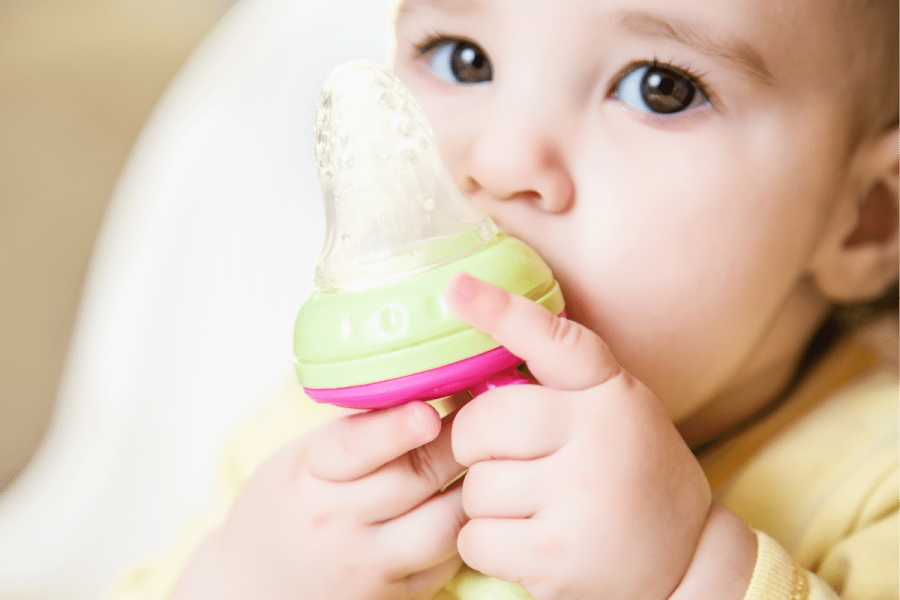
Food for 6 month old babies
Essential guide to nutrition for thriving 6 month old babies.
What are the best first foods for a 6 month old, and how do you introduce them? Parents seeking nutritious options for their infant’s diet will find practical guidance here. Learn which staple foods to start with and essential tips for a successful transition to solids while ensuring safety and enjoyment for your baby.
Feeding your baby
- Babies are typically ready for solid foods around six months, indicated by stable head and neck control, sitting up with support, oral-motor skills, and increased interest and hunger for foods beyond milk.
- First solid foods for 6-month-olds should include pureed fruits and vegetables, and iron-fortified cereals. Introducing a variety of pureed foods can provide essential nutrients, while iron-fortified cereals are crucial for exclusively breastfed infants.
- As babies transition into solid foods, it’s important to follow the three-day rule to monitor for allergies, encourage the combination of flavors and progression of textures, and support self-feeding skills with finger foods and appropriate utensils.
Signs your 6-month-old is ready for solid foods
As parents, knowing when your baby is ready to transition from milk to more substantial fare is essential. Whilst most babies are developmentally ready for solid foods around six months old, it’s crucial to look for specific signs that your baby is prepared for this significant dietary shift.
Stable head and neck control, coupled with the ability to sit up with support, is a clear sign that your baby might be ready to start trying solid foods. An increased interest in food, demonstrated by actions such as reaching for your plate or showing excitement during meal times, is another indication that it might be time to introduce solids.
Furthermore, the ability to coordinate eyes, hands, and mouth, to grasp food and move it to the back of the mouth to swallow, are key oral-motor coordination skills indicating readiness for solids. Lastly, if your baby is showing signs of hunger beyond frequent milk feedings, it might be time to introduce solid foods into their diet.
First foods for 6-month-old Babies (starting solids)
Embarking on the journey of solid foods is an exciting time for both parents and babies. But what are the best first foods to introduce? Nutritious choices such as pureed fruits and vegetables and iron-fortified cereals are often the go-to options.
Let’s delve deeper into these categories.

Pureed fruits and vegetables
Introducing pureed fruits and vegetables is a wonderful way to accustom your baby to new tastes and textures. These foods are not only easy to digest, but they also pack a nutritional punch. Sweet potato puree, for example, is rich in fiber and can help prevent constipation in babies and is a good choice for dinner due to its slow energy release properties. Another nutrient-rich option is green peas and potato puree, which delivers a healthy dose of calcium, iron, and vitamins A and C.
Adding different purees to your baby’s diet can provide various health benefits. Here are some examples:
- Beetroot puree: Boosts immunity due to its iron content.
- Carrot puree: Supports healthy eyesight and is naturally sweet.
- Pumpkin puree: Contains fiber and antioxidants, offering antibacterial properties.
- French beans puree: Provides a well-rounded diet.
- Red lentil carrot puree: Adds protein and nutrients to the diet.
- Red pepper puree: Adds flavor and antioxidants.
By incorporating these purees into your baby’s meals, you can ensure they receive a balanced and nutritious diet.
Iron-fortified cereals
Iron-fortified cereals are another excellent introduction to solid foods. These cereals are particularly important for infants who are exclusively breastfed, as they should start consuming foods rich in iron and zinc around 6 months of age to complement their diet.
Beginning a baby’s solid food journey with iron-fortified infant single-grain cereal mixed with breast milk or formula is often recommended. Some popular choices include:
- Rice cereal: It has a smooth texture and is easy to digest for infants.
- Oatmeal cereal: It is nutrient-rich and provides an alternative grain choice for babies.
- Barley cereal: It is also iron-fortified and offers another option for introducing grains to your baby.
These cereals can be mixed with breast milk or formula to create a smooth and easily digestible meal for your baby.
Multi-grain cereals that combine ingredients like rice, oat, and barley offer a mix of nutrients and a complex flavor that aids in developing the baby’s palate.
Introducing new foods and combining flavors
The introduction of solid foods doesn’t stop at first foods. Gradually introducing new foods, allergens, and other foods, like combining flavors, is an essential part of diversifying your baby’s diet and helping them explore a world of tastes.
Let’s unpack this process.
The three-day rule
As new foods make their way into your baby’s diet, it’s crucial to monitor for any potential allergic reactions. The Three-Day Rule is a commonly used approach for this purpose. This rule involves introducing a new food and then waiting until the 4th day to introduce another new food to observe for potential allergic reactions.
This method allows parents to:
- Identify any food allergies or intolerances their baby might have
- Ensure the baby is healthy
- Closely monitor the baby for at least two hours after introducing a new food for potential allergic reactions.

Food combinations and texture progression
Beyond introducing new foods one by one, you’ll also want to consider combining flavors and progressing food textures. This not only enhances the sensory experience for babies but also aids their oral and motor skill development.
Texture progression for babies should start with thin, smoothly pureed baby foods and gradually move to thicker purees and then mashed food. As they grow, introducing baby solid foods becomes essential. New baby food combinations can be created by mixing two purees together or combining one puree with elements like yogurt or oatmeal.
After the baby is accustomed to most vegetables and has no issues with certain ingredients like cauliflower, introduce more complex combinations such as ‘Potato, Zucchini, and Cauliflower Puree’ or ‘Pureed Chicken, Apple and Kale’ to enhance sensory experiences.
Supporting self-feeding Skills
As your baby grows more accustomed to solid foods, it’s also time to start nurturing self-feeding skills. This is a critical developmental stage that fosters independent eating skills needed for early childhood and beyond, making feeding your baby a smoother process.
But how can you support your baby in this journey?

Finger foods
Finger foods play a crucial role in supporting a baby’s fine motor skills and independence, while also introducing them to various food groups. Small, soft pieces of fruits like pear, strawberry, and peaches, and cooked vegetables such as steamed broccoli, zucchini, squash, sweet potato, and avocado wedges are excellent options to promote self-feeding.
In addition, homemade energy bites, PB&J Oatmeal Bake, scrambled eggs with pesto, and toast with nut butter cut into strips or squares for easy handling can also be great finger food options. Safety is paramount, so always ensure your baby is supervised while handling different textures and sizes to prevent choking.
Utensils and mealtime accessories
The right utensils and mealtime accessories can greatly support the self-feeding journey. Plastic spoons or forks with a comfortable grip are essential for babies to practice using utensils, progressing to small metal ones as their coordination improves.
Introducing a cup around the age of 6 months is another important milestone that aids in teaching babies how to drink on their own. Utilizing suction plates or bowls that remain fixed to the table can greatly reduce mess and frustration as children learn the coordination required for self-feeding.
Balancing breast milk or formula with solid foods
As you introduce solid foods, it’s vital to maintain a balance between these new dietary additions and breast milk or infant formula. Breast milk or formula should remain the primary source of nutrition until they turn 1 year old.
When introducing solids, offer a teaspoon of pureed vegetables, fruits, or iron-fortified cereals prepared with breast milk or formula once a day. As babies grow and start to eat more solid foods, ensure that liquid nutrient intake is not diminished. Gradually, you can start introducing solids as part of breakfast, lunch, and dinner, for a total of 1 to 2 solid meals each day in combination with 4 to 6 milk feedings.
Sample meal plans for 6-month-old babies
Now that you have a comprehensive understanding of what foods to introduce and when, you might be wondering how to plan a day’s meals for your baby. Let’s explore some meal plan ideas for breakfast, lunch, dinner, and snacks to provide a well-rounded diet for your 6-month-old.

Breakfast ideas
Kickstarting the day with a nutritious breakfast is as important for babies as it is for adults. Peeled apricot slices, orange or grapefruit slices, and bananas are simple and nutritious options to eat food.
Oatmeal with added fruit such as smushed blueberries or chopped banana, and swirled with breast milk or nut butter, provides a wholesome breakfast. Vegetable sticks, sliced with a crinkle cutter and served with applesauce, also make a healthy and engaging breakfast for a 6-month-old.
Other options include boiled or roasted beet quarters or strips, roasted purple sweet potatoes seasoned with cinnamon or topped with yogurt, and a variety of raw vegetables.
Lunch and dinner ideas
When it comes to lunch and dinner, providing a variety of options is crucial for a balanced diet. Homemade oat cereal made from oats is an excellent lunch or dinner choice for 6-month-olds, being easy to digest and less likely to cause allergies.
Red Lentil Puree seasoned with mild, Indian-inspired spices can serve as an adventurous and nutritious dinner option for babies ready to explore diverse tastes.
Soft Broccoli and Cheese Frittata bites are a perfect example of soft food, suitable for 6-month-old babies, even those with few or no teeth, making a healthy and simple lunch or dinner meal.
Snack ideas
Including snacks in a 6-month-old’s diet can provide an additional opportunity for them to receive the necessary nutrients for growth and development. Mashed fruits such as banana, pear, or cooked apple make for healthy and age-appropriate snacks for 6-month-olds.
Creating bite-sized pieces of these fruits can also help promote self-feeding skills and fine motor development. Just remember to always supervise your baby during snack times to ensure safety.
Monitoring your baby's growth and development
As you navigate this exciting journey of introducing solid foods, it’s crucial to monitor your baby’s growth and development. Ensuring your baby is growing properly as they start eating solid foods is paramount, and this can be done by tracking weight gain and head circumference.
Regular pediatric appointments are essential during this transitional phase to monitor growth and development milestones. Keeping a food diary can assist parents in tracking their baby’s reactions to new foods and identifying any potential issues with digestion or allergies. Remember, every baby is unique, and individual variations are normal. Always take cues from your baby’s appetite and let them guide you through this journey.
Introduce foods
Navigating the world of solid foods is a journey filled with excitement, curiosity, and yes, a bit of mess too. From recognizing signs of readiness, introducing first foods, combining flavors, to encouraging self-feeding, every step is a milestone in your baby’s growth and development. Remember, patience is key as your little one explores this new world of tastes and textures. And while there might be a few hiccups along the way, the joy of witnessing your baby’s developmental strides makes it all worthwhile.
How many times a day should I feed solids to my 6 month old?
At 6 months old, you can start by offering about one solid meal per day and gradually increase to two to three times a day between 6-8 months. Avoid feeding honey until they reach 12 months old.
What finger foods can I give my 6 month old?
You can give your 6-month-old soft pieces of fruit such as pear, apple, banana, peach, and vegetables like cucumber, carrots, and broccoli, all cut into appropriate sizes for their age. This information is as of October 2021.
Can babies eat any food at 6 months?
Not any food, but at 6 months, babies can start eating solid foods like fortified infant cereal, ground meat, fish, poultry, strained or mashed vegetables and fruits, but they should avoid honey until they are 12 months old. They can also have healthy snacks like mashed fruit between meals. As they introduce solid foods, they should continue to receive the same amount of breastmilk.
What can I feed my 6 month old baby?
You can start weaning your 6-month-old baby with fortified infant cereal, ground meat, fish, poultry, strained or mashed vegetables and fruits, sticky rice, and mashed potatoes. Additionally, you can introduce single vegetables and fruits in blended, mashed, or soft-cooked forms, such as parsnip, broccoli, potato, yam, sweet potato, carrot, apple, or pear. Just ensure that any cooked food has cooled down before offering it to your baby.
How do I know my baby is ready for solid foods?
You'll know your baby is ready for solid foods when they show signs like stable head and neck control, ability to sit up with support, interest in food, and increased appetite beyond frequent milk feedings. These are key indicators of their readiness for solids.