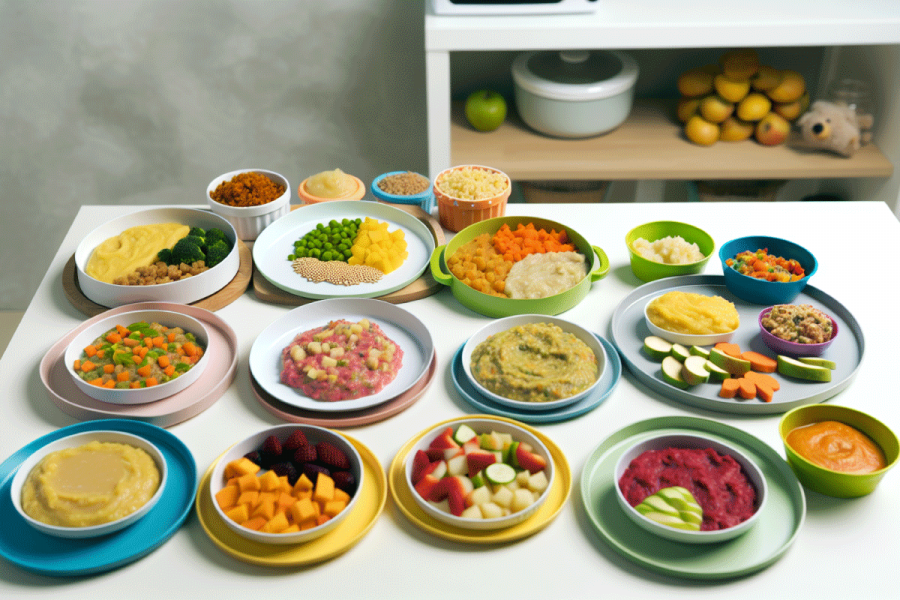
Optimizing your 7 month old baby diet
Healthy tips and meal ideas for your baby.
What does a nourishing 7 month old diet look like? Transitioning from milk to solids is a milestone, and this article is your guide to doing it right. From understanding portion sizes to navigating new flavors, we’ll provide you with everything you need to know for feeding your infant with confidence. Expect practical advice on nutrient-rich foods, sample meals, and daily schedules that will help your baby grow healthy and happy.
Milk and more solid foods
- Breast milk or formula should remain a staple, complemented by mashed fruits, veggies, and iron-fortified cereals, to support brain development and provide essential nutrients as a 7-month-old begins exploring solids.
- Introduce a variety of soft, pureed fruits and vegetables, along with protein sources like peas, lentils, and finely chopped meats, while ensuring proper portion sizes and watching for any signs of allergic reactions.
- Maintain a consistent feeding routine with both milk and solid foods, encourage self-feeding with appropriate finger foods to develop motor skills, and minimize distractions during mealtime to help the baby focus on eating.
Nutritional needs of a 7-month-old baby
As your baby grows and explores, their nutritional needs become as dynamic as their newfound mobility. Most babies at this age still require about 20 ounces of breast milk or formula each day to meet their energy needs. However, their diet should be a tapestry of mashed fruits and veggies, along with whole-grain cereals, to ensure they’re getting a variety of nutrients. It’s essential to strike a balance, especially with iron supplementation being critical at this stage, and providing high-energy foods to fuel their rapid development.
A diverse selection of infant cereals, including fortified options, can help reduce arsenic exposure from rice cereals and contribute to a well-balanced diet for healthy children.

Importance of breast milk or formula
Even as you sprinkle in new tastes and textures, breast milk or formula remains the cornerstone of your 7-month-old’s diet. These milk feeds not only provide complete nutrition but are also efficiently absorbed, supporting critical developments like brain growth. The essential fatty acids they contain are the building blocks for a baby’s brain development, while the immune properties help shield your little one from infections.
It’s advised to continue these milk feeds for the baby’s first year, complementing them with solid foods as their appetite grows.
Introducing solids to your baby's diet
The culinary adventure begins around 4 to 6 months, and by 7 months, your baby is ready to expand their palate. Starting with smooth, mashed textures and progressing to coarser ones ensures a gentle introduction to baby solid foods. Complementary baby’s food should make their debut two to three times per day, providing a new spectrum of flavors and nutrients.
Remember, introducing solids is a gradual dance; offer one new food at a time and watch for any signs of allergies or sensitivities before moving on to the next. It’s important for your baby to eat solid food in this process, but you might wonder how much solid food is appropriate.
Diverse food choices for a 7-month-old
Variety is the spice of life, and that’s no different for a 7-month-old’s diet. The goal is to include a medley of foods that sing with vitamins, minerals, and energy. Tender morsels of banana, strawberries, and boiled apples tickle the taste buds, while steamed veggies and mashed beans provide savory notes.
Whole-grain pasta and bread introduce complex textures, ensuring your baby experiences a symphony of flavors and nutrients.
Fruits and vegetables
Fruits and veggies are like nature’s confetti, bringing color and essential nutrients to your baby’s food chart. Soft bananas, kiwi, and steamed pears make for delightful fruit options. For veggies, think vibrant carrots and sweet potatoes, or green and leafy spinach, all steamed to perfection and pureed to a smooth consistency for ease of eating.
These foods, belonging to various food groups, are packed with fiber, vitamins, and minerals that are essential for your baby’s growth and development.
Proteins and grains
Proteins are the building blocks for your baby’s muscles and more, and grains provide the energy they need to crawl, babble, and play. Here are some protein options for your baby:
- Peas and lentils: They are superb for their protein content and can be mashed to a baby-friendly consistency.
- Soft cheeses: They provide protein and can be finely chopped for easy consumption.
- Finely chopped meats: They are another great source of protein for your baby.
- Quinoa: It offers a protein-rich option for your baby’s meals.
In addition to proteins, cooked grains like rice and oat cereal can be introduced to your baby’s diet. These grains provide fiber and essential nutrients. Remember, eggs can also be introduced around this time, but keep an eye out for allergies.
Homemade meal ideas for your 7-month-old
Imagine a dish of Avocado and Mint Puree or a tiny bowl of Aubergine and Red Pepper Baby Curry, introducing your little one to a world of diverse textures and flavors. A mix of Chicken with Sweet Potato and Carrots can provide a powerhouse of nutrients that are as delicious as they are beneficial for growth. On the sweeter side, a Creamy Apricot Dessert, or for a savory snack, a Spinach and Roasted Carrot Puree can offer vegetarian options rich in vitamins and yummy goodness.
When preparing these meals, aim for soft textures and mix cereal grains with breast milk or formula, such as cow’s milk, to achieve the right smoothness for your baby.
Feeding schedule and portion sizes for a 7-month-old
Consistency is key when it comes to feeding your 7-month-old. A typical day might include:
- Nursing or a bottle in the morning
- Mid-morning milk feed
- Solid food lunch around 11:30 AM
- Milk feed in the afternoon
- Early evening meal
- Final feed at bedtime
This routine helps ensure that your baby eats and gets the nutrition they need throughout the day.
Portion sizes should be tailored to your baby’s appetite, with a guideline of 1 to 3 tablespoons per food category. Pay attention to your baby’s hunger and fullness cues, and introduce water in a sippy cup during meal times to support the development of their eating habits.
Tips for a successful transition to solid foods
Transitioning to solid foods is a memorable milestone but can come with its challenges. Introduce new foods one at a time, giving a few days in between to rule out any allergic reactions. Maintain those milk feeds—they’re crucial for essential nutrients until at least 12 months.
Start with soft, mashed foods, and as your baby becomes more adept at chewing, gradually introduce thicker and chunkier textures. Be patient and responsive; if your baby turns away or seems uninterested, take it in stride and try again later. Keep mealtime fun by allowing your baby to eat with an infant-sized spoon, and don’t worry about the mess—it’s all part of the learning process. Remember, introducing common allergens early on is key and always monitor for reactions.
Handling allergies and sensitivities
Navigating the world of food allergies and sensitivities is crucial during this period of dietary exploration. Here are some tips to follow:
- Introduce allergenic foods such as eggs, dairy, and nuts one at a time, ensuring you can identify any adverse reactions.
- Keep an eye out for symptoms like skin rashes, coughing, or gastrointestinal distress.
- Consult with a pediatrician for guidance and potential allergy testing.
If you suspect an allergic reaction, eliminate the food from your baby’s diet and seek medical advice.
Encouraging self-feeding and finger foods
Finger foods, including baby finger foods, aren’t just tasty nibbles—they’re tools for growth. Offering soft cooked veggies, toast with cheese, or strips of chicken can help your baby develop their hand-eye coordination and fine motor skills. Always supervise self-feeding to prevent choking and start with hand feeding before introducing utensils for a safer experience. Incorporating baby food into their diet can also provide essential nutrients for their development.
Embrace the mess; it’s a sign of progress in your baby’s journey to independence and improved motor skills.
Mealtime environment and routine
Crafting a focused mealtime environment for your 7-month-old can enhance their eating experience. Turn off TVs and put away toys to minimize distractions. Use a highchair and establish a consistent meal spot, away from the hustle and bustle, to help your baby concentrate on their food.
Eating as a family not only creates a bonding experience but also allows your baby to learn by example, observing the mealtime habits of adults and siblings.
Monitoring your baby's growth and development
Keeping an eye on your baby’s growth and development is a big part of their nutrition journey. Regular check-ups can track weight gain, height, and head size, providing reassurance or flagging potential concerns. Each baby is unique, so variations in growth are perfectly normal. Look for advancements in motor skills and healthy sleep patterns as indicators of proper development.
If you have concerns, especially if your baby isn’t reacting to their name or showing asymmetry in body use, consult a healthcare provider.
Milk and some solid meals for a 7-month-olds
In the whirlwind of a baby’s growth, ensuring a nutritious and diverse diet is fundamental. From the steadfast importance of breast milk or formula to the exciting introduction of solids, every bite contributes to healthy children. As you encourage self-feeding, navigate allergies, and create a nurturing mealtime environment, remember that your efforts are shaping not just their diet, but their development and relationship with food for life.
How much should a 7 month old be eating?
Your 7-month-old should be drinking about six to eight ounces of formula, four to six times per day, but this may vary based on their needs. Breastfeeding frequency may also be about every three to four hours, but this can vary as well.
What finger foods can a 7 month old eat with no teeth?
You can start by offering your 7-month-old soft finger foods such as small pieces of pasta, bread, cheese, and finely chopped fruits or vegetables that require minimal chewing as they may not have teeth yet. It's important to introduce a variety of textures and flavors early on to encourage healthy eating habits.
Can a 7 month old eat scrambled eggs?
Yes, a 7-month-old could eat scrambled eggs, but the recommendation is still to add egg to pureed food. Eggs, in theory, are a great choice for your baby's first foods and can be introduced around 6 months. However, there are many recommendations to introduce them later. Make sure to consult with your pediatrician before introducing eggs to your baby.
When should I start introducing solid foods to my baby?
Start introducing solid foods to your baby around 4 to 6 months of age, depending on their readiness and advice from your pediatrician.
How can I tell if my baby is allergic to a new food?
If your baby experiences skin reactions, digestive upset, or respiratory issues after trying a new food, it could be a sign of an allergy. Introduce one new food at a time to monitor for any allergic reactions.